
Beginner Guide
Learning how to join FPS scrims is the moment many players discover what competitive gaming really feels like. Ranked teaches mechanics, confidence, and quick decision-making. Scrims teach structure: team communication, agreed rules, role discipline, scheduled practice, and review. This guide breaks down how to move from solo queue chaos into organized team play without looking lost on day one.
What FPS Scrims Actually Are
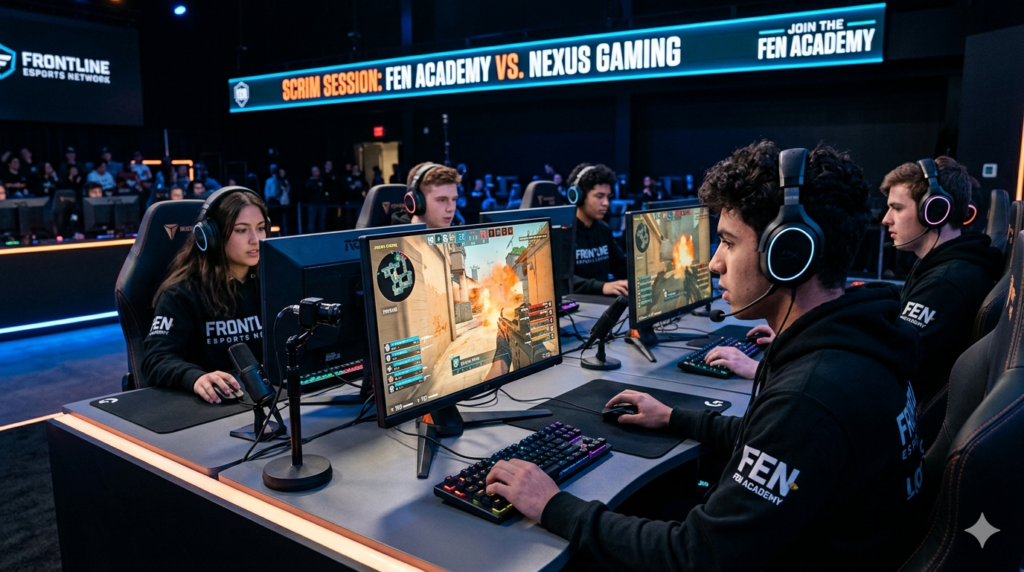
FPS scrims are organized practice matches between players, teams, or rosters. They are not the same thing as ranked. In ranked, players usually chase the win with whoever matchmaking gives them. In scrims, teams agree to practice under a structure: time, opponent, rules, maps or modes, roster size, communication expectations, and sometimes a specific focus for the session.
The point is not just to win a practice lobby. The point is to learn how a team performs when everyone is trying to play seriously. Scrims reveal whether players can trade, rotate, hold space, reset after mistakes, follow comms, and improve as a group.
Ranked Play vs Scrims
Many players try to join FPS scrims because ranked no longer feels like enough. That is a healthy sign, but the habits that work in ranked can create problems in organized practice. A strong ranked player can still struggle if they over-peek, ignore team timing, flood comms, blame teammates, or treat every round like a highlight attempt.
Before You Try to Join FPS Scrims
You do not need to be perfect before you enter scrims, but you should arrive prepared. Teams are more willing to give a beginner a chance when the player is clear, punctual, coachable, and honest about their level. The goal is to make yourself easy to understand and easy to schedule.
Pick one main game and role. You can be flexible, but teams need to know where you fit. Say whether you usually entry, anchor, support, flex, IGL, objective, controller, sniper, or another game-specific role.
Know your region and schedule. Scrims run on time zones. List your region, platform, available days, and usual practice window so teams can quickly tell whether you match their roster rhythm.
Clean up your profile. Use a readable name, basic competitive details, and a serious tone. A team-finder post should not make captains guess who you are or what you want.
Prepare for voice comms. Most FPS scrims rely on live calls. Make sure your microphone works, background noise is controlled, and you can communicate without taking over the channel.
Where to Find FPS Scrims
Most beginners find their first scrims through community systems. The quality varies, so look for spaces with active moderation, clear posting formats, region channels, rules, and a steady flow of teams looking for practice. A server with thousands of members is not always better than a smaller community where people actually show up.
Discord scrim servers
Many FPS communities use channels for team finder posts, looking-for-scrim requests, substitute calls, rank ranges, regions, and scheduled practice blocks.
Team-finder communities
These spaces help solo players trial with rosters. Look for captains who explain expectations, practice times, role needs, and team goals clearly.
Tournament communities
Even if you are not ready for events yet, tournament spaces often attract teams that need practice partners, substitutes, and reliable new players.
Independent platforms
Competitive gaming platforms can help players, rosters, and organizers move from scattered messages into clearer team activity, scheduling, and tournament preparation.
How Discord Scrim Systems Usually Work
Discord is often where players first learn how to join FPS scrims. Each community has its own rules, but the basic flow is similar. Players post availability, teams post open slots, captains request opponents, and moderators may separate channels by game, region, rank, platform, or roster status.
Read the server rules before posting. Some communities require a specific format. Others ban spam, self-promotion, poaching, toxic callouts, or public arguments after a bad scrim. Respecting the system makes you look more serious immediately.
Solo players usually post their game, region, platform, role, rank or experience, availability, microphone status, and what kind of team they want to join.
Captains post open roles, required availability, current roster level, trial process, and whether they need a starter, substitute, or temporary fill.
Teams post time, region, ruleset, map or mode preference, skill level, and contact instructions. Good posts reduce confusion before the lobby starts.
What to Put in Your Team-Finder Post
Your first message matters. A clean post tells teams that you understand basic roster organization. It also filters out bad fits before either side wastes time. Keep it short, specific, and serious.
A Simple Post Template You Can Adapt
Use this as a starting point. Adjust the role labels and details for your game, but keep the structure clean. The strongest beginner post is not the loudest one. It is the easiest one for a captain to understand.
If you already have scrim experience, add one sentence about it. If you are new, say that directly and show that you understand the basics: punctuality, comms, role discipline, and review.
How to Behave in Your First FPS Scrim
Your first scrim does not need to be perfect. It does need to show that you are worth inviting again. Teams remember players who arrive on time, listen, make useful calls, respect the plan, and stay composed after losing rounds.
Show up early. Join voice before the scheduled time, confirm your role, test your mic, and ask what the team wants to focus on.
Keep comms useful. Prioritize enemy location, damage, utility, timing, objective status, and your intention. Avoid long explanations mid-round.
Play your assignment. If you are asked to anchor, anchor. If you are asked to entry, entry with timing. Scrims expose players who ignore role responsibility.
Review calmly. After the set, talk about patterns: late trades, unclear calls, missed utility, weak resets, or poor objective conversion. Do not turn review into blame.
How to Find Reliable Teams
The hardest part is not finding any scrim. It is finding a team that treats practice seriously. Reliable teams do not need to be elite. They need clear expectations, consistent scheduling, basic leadership, and a review culture that helps players improve.
Look for schedule clarity
A serious roster can usually tell you when it practices, how often it scrims, and what availability it expects from starters and substitutes.
Watch how they handle losses
A team that collapses into blame after one bad map may not be ready for structured competitive play. Review should be direct, not personal.
Check role expectations
Reliable teams explain what they need from each player. Vague rosters often become five people taking separate fights.
Notice organizer habits
Good captains confirm opponents, rules, start times, roster changes, and communication channels before the scrim begins.
How to Get Noticed by FPS Teams
Getting noticed is not only about dropping the biggest stat line. Teams do pay attention to mechanics, but they also notice the player who makes practice easier. Reliability is a competitive skill. So is staying calm, asking useful questions, and improving the exact issue that came up in review.
Confirm times, show up early, communicate conflicts in advance, and keep your availability updated. Captains remember players who reduce admin work.
Short, useful calls help teams trust you. Location, damage, timing, utility, and intention matter more than constant talking.
If a captain or coach gives feedback, test it before defending yourself. Teams want players who can adjust between maps and improve between blocks.
Common Beginner Mistakes
Most early scrim problems are fixable. The key is spotting them quickly. If you are new, avoid these habits before they become your reputation.
Joining every team at once
Trialing is normal, but overcommitting makes you look unreliable. Be honest about where you are practicing and when you can commit.
Leaving after one bad map
Scrims are supposed to reveal problems. A player who quits when practice gets hard is difficult for any roster to trust.
Ignoring the rules
Read the scrim format, allowed settings, substitution rules, lobby process, and dispute steps. Competitive clarity starts before the match.
Confusing confidence with ego
Teams need confident players, but they also need players who can listen, adapt, and accept responsibility after mistakes.
Moving From Scrims to Tournaments
Once scrims become consistent, tournament preparation becomes the next step. Tournaments add deadlines, brackets, check-ins, rulesets, match reporting, disputes, and pressure. Ranked skill helps, but tournament readiness depends on roster organization.
Use scrims to test the habits you will need on match day: punctuality, role clarity, substitute planning, communication standards, map preparation, score reporting, and post-match review. The earlier your team treats practice like preparation, the smoother tournament day becomes.
Build Your Competitive Path With FEN
Frontline Esports Network is an independent competitive platform built for players, rosters, coaches, and organizers who want more structure around team activity and competition. If you are trying to join FPS scrims, the goal is not only to find one lobby. It is to build a repeatable path from practice to team readiness to tournament participation.
Use FEN to take competitive gaming more seriously: organize your player profile, connect with team-minded players, prepare for scrims, and keep moving toward structured competition.