
Guide
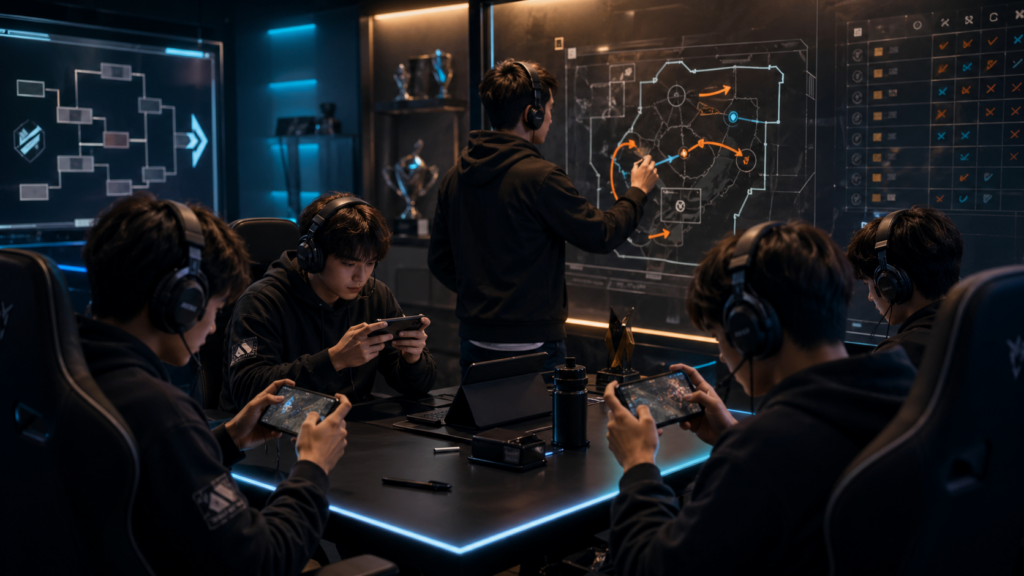
A strong COD Mobile practice system turns improvement into a repeatable process. Instead of playing ranked until something feels better, serious players train mechanics, review decisions, prepare for scrims, and build team habits that survive pressure.
Why Random Practice Stops Working
Most amateur players practice by queueing ranked, warming up when they remember, and blaming improvement on good or bad lobbies. That can build confidence, but it rarely creates competitive consistency. A real COD Mobile practice system gives every session a purpose, a measurable focus, and a review loop.
The goal is not to imitate professional routines perfectly. The goal is to build the same kind of structure serious teams rely on: mechanics first, then role clarity, then coordinated scrims, then match-day discipline. Competitive gaming rewards players who can repeat good decisions, not just hit one impressive highlight.
The Daily Practice Block
A daily routine should be short enough to repeat and structured enough to expose weaknesses. For most players, a focused 90 to 150 minute block beats a long session with no plan. The exact timing can change, but the order matters: warm up, isolate skills, apply them in matches, then review.
Warm up mechanics. Spend 10 to 15 minutes on sensitivity feel, recoil control, movement timing, slide-cancel consistency where relevant, and clean centering before entering pressure games.
Train one weakness. Pick one focus such as long-range tracking, close-range pre-aim, objective discipline, rotation timing, retake patience, or fewer solo pushes.
Apply it in live games. Play ranked, customs, or team practice with the same focus. The session is not judged only by wins; it is judged by whether the target habit improved.
Review immediately. Write down two repeat mistakes, one useful adjustment, and one priority for the next session while the details are still fresh.
Aim Training That Transfers
Aim training only matters if it transfers into real fights. Static drills help with control, but competitive players need crosshair placement, timing, target switching, and calm decision-making while moving through contested areas. The best aim work connects mechanics to map situations.
Centering
Enter lanes with your crosshair already placed where a defender is likely to appear. This reduces reaction time and keeps fights cleaner.
Recoil patterns
Train common engagement ranges so your first burst, correction, and reset feel automatic instead of panicked.
Tracking under movement
Practice staying accurate while strafing, sliding, repositioning, and breaking line of sight.
Target priority
Learn when to finish a weak opponent, when to trade for a teammate, and when survival matters more than chasing an elimination.
Do not change sensitivity every time a session feels bad. Make small adjustments, test them over multiple sessions, and track whether accuracy and comfort actually improve.
Scrim Preparation
Scrims are where a COD Mobile practice system becomes team practice. A scrim should never be treated as a casual custom lobby with a scoreboard attached. It should have a goal, expected roster, agreed rules, map or mode focus, and a review plan before the first match starts.
Confirm availability, roles, modes, map order, lobby timing, substitute rules, and the main focus. Examples include cleaner trades, earlier rotations, safer bomb plants, or better hill breaks.
Keep communication concise. Call enemy positions, weak players, spawn information, objective status, utility use, and whether the team should slow down or flood together.
Review the session as a team. Separate mechanical losses from structural losses, then choose one or two fixes for the next block.
Team Coordination Standards
Competitive teams need shared language. If every player describes the same map position differently, calls become slow and emotional. If nobody knows who leads rotations, the team moves late. Coordination is built through boring clarity: roles, comms rules, review habits, and accountability.
The Weekly Training Cycle
A complete COD Mobile practice system needs a weekly rhythm. Daily work improves habits, but weekly planning keeps the roster from training everything at once. Serious teams should know which days are for individual mechanics, which are for scrims, and which are for VOD review or tournament preparation.
Mechanics and role work. Start the week by fixing individual issues that made the previous scrims harder: positioning, timing, aim consistency, or objective discipline.
Structured scrims. Schedule practice against organized opponents and enter with one main goal. Do not turn every set into a full identity crisis.
Review and adjustment. Watch key rounds or hills, mark repeated mistakes, and assign one fix to the player or unit responsible for improving it.
Tournament readiness. Before events, confirm rules, check-in process, roster availability, screenshots, reporting expectations, and substitute plans.
From Amateur to Competitive Level
The jump from amateur to competitive is mostly a shift in standards. Amateur players ask whether they played well. Competitive players ask whether their habits helped the team win the map. That means fewer ego challenges, better trading, calmer comms, stronger review, and more reliable attendance.
Progress also depends on roster discipline. A team with average mechanics and strong structure can improve quickly because every scrim produces usable information. A team with strong mechanics and no routine often repeats the same mistakes for weeks.
How FEN Supports Practice Structure
Frontline Esports Network is built for players, rosters, coaches, and organizers who want competitive activity to feel more organized. A practice system works best when teams can connect routines to scrims, roster organization, schedules, tournaments, and long-term competitive development.
For solo players, FEN can support the move from isolated ranked sessions into structured team involvement. For rosters, it helps reinforce the habits that make practice useful: clearer expectations, stronger coordination, and a more serious approach to competitive gaming.
FEN is independent and is not affiliated with, endorsed by, sponsored by, or authorized by Activision or the Call of Duty franchise.
Internal Link Suggestions
Complete Guide to COD Mobile Competitive
Use this as the broader pillar guide for readers who need the full competitive overview.
Send practice-ready teams toward organized scrim activity and repeatable match preparation.
Point solo players toward roster organization, teammate discovery, and team structure.
Guide competitive readers toward events, brackets, and match-day readiness.
Build Your Competitive Routine With FEN
Join Frontline Esports Network for free to organize your competitive gaming activity, connect with players and rosters, prepare for scrims, and turn practice into a repeatable system.
Join FEN FreeGame names are used descriptively. FEN remains an independent competitive platform.